Clean Water Projects: How Access to Safe Water Changes Communities
 rehman
Access to clean and safe drinking water is a basic human right, yet millions of people around the world still struggle to find it. In many communities, families rely on contaminated water sources such as rivers, ponds, or unsafe wells. This lack of safe water leads to serious health problems, poor sanitation, and limited opportunities for education and economic growth.
Clean water projects are designed to address these challenges by providing safe water systems for communities in need. These initiatives help reduce disease, improve living conditions, and empower communities to build healthier and more sustainable futures.
Providing access to clean water is one of the most effective ways to improve the lives of individuals and families.
Why Clean Water Is Essential for Healthy Communities
Clean water plays a vital role in maintaining health and preventing disease. Without access to safe water, communities are exposed to waterborne illnesses that can be life-threatening.
Common diseases caused by contaminated water include:
- Cholera
- Typhoid fever
- Diarrhea
- Dysentery
Children are especially vulnerable to these illnesses, and many miss school or suffer long-term health problems as a result.
When communities gain access to clean water, the risk of these diseases drops dramatically, leading to healthier and stronger families.
The Impact of Clean Water on Education
In many regions, children—especially girls—spend hours every day collecting water from distant sources. This responsibility prevents them from attending school regularly.
Clean water projects located within communities help reduce this burden. When water is easily accessible, children can focus on their education rather than spending valuable time fetching water.
Improved access to water allows students to:
- Attend school consistently
- Focus better on learning
- Improve academic performance
- Build brighter futures
Education combined with access to basic resources helps break the cycle of poverty.
Improving Sanitation and Hygiene
Clean water projects also support better hygiene and sanitation practices. Without safe water, it becomes difficult for families to maintain proper hygiene.
With reliable water sources, communities can:
- Practice regular handwashing
- Maintain cleaner homes and schools
- Improve food safety
- Reduce the spread of infectious diseases
Better sanitation improves overall public health and reduces pressure on local healthcare systems.
Economic Benefits of Clean Water Projects
Access to clean water does more than improve health—it also strengthens local economies.
When communities no longer spend hours collecting water or dealing with water-related illnesses, they gain more time for productive activities such as:
- Farming and agriculture
- Small businesses
- Education and skills training
- Community development projects
This increased productivity helps families improve their financial stability and quality of life.
How Clean Water Projects Work
Clean water initiatives typically involve the construction and maintenance of sustainable water systems.
Common solutions include:
Water Wells
Deep water wells provide safe underground water that is protected from contamination.
Hand Pumps
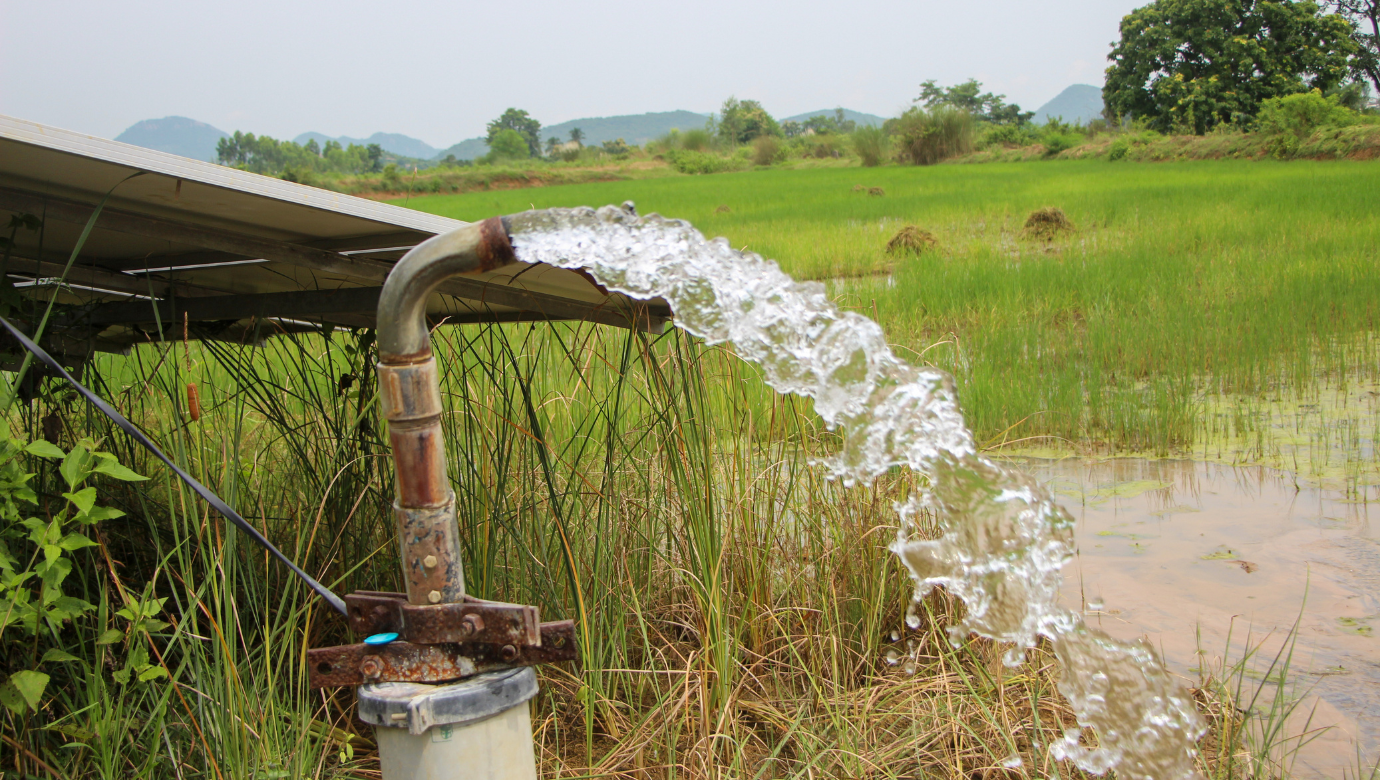
Hand pumps allow communities to easily access water from underground sources.
Water Filtration Systems
Filtration systems remove harmful bacteria and impurities from water sources.
Community Water Tanks
Water storage systems ensure communities have consistent access to safe drinking water.
These projects are designed to provide long-term solutions that benefit communities for many years.
The Role of Community Involvement
Successful water projects often involve strong community participation. When local communities take part in maintaining water systems, the projects become more sustainable.
Community members are often trained to:
- Maintain water pumps and wells
- Manage water resources responsibly
- Educate others about hygiene practices
This involvement ensures that water systems remain functional and beneficial for future generations.
How Your Support Can Help
Clean water projects depend on the generosity of donors and supporters who want to make a difference.
Your support can help provide:
- Construction of new water wells
- Repair and maintenance of existing water systems
- Hygiene education programs
- Sustainable water infrastructure for remote communities
Even a small contribution can help provide safe drinking water for families who need it most.
A Future with Clean Water for All
Access to clean water is essential for health, education, and economic growth. By supporting clean water initiatives, we can help transform entire communities and give families the opportunity to live healthier and more productive lives.
Every effort to provide safe water brings us one step closer to a world where no one has to suffer due to lack of this basic necessity.
Together, we can make clean water accessible to everyone.